
Trekking Plus has listed the necessary equipment,which is most important for every trekker who is trekking in Nepal. The given equipment list of personal gear you can buy as per your need to make your trekking holiday more comfortable. All required gear for the walk, including clothes, footwear, first aid kits, and other trekking supplies, should be prepared by trekkers before the trip starts. Moreover, the trekking season also has an impact on the packing list. You should only bring what is required.
The high-altitude trekking requires appropriate clothing. The clothes for trekking should be cozy, warm, and moisture-absorbing. It's important to pack the right items when you are on adventure. Don't forget important things, and definitely don't bring too much as you and/or your porter won't be happy with a load that's too heavy.
Also, you should pack smartly so that you can adjust your layering based on the weather. The packing list for the hike is affected by the season and trekking regions.
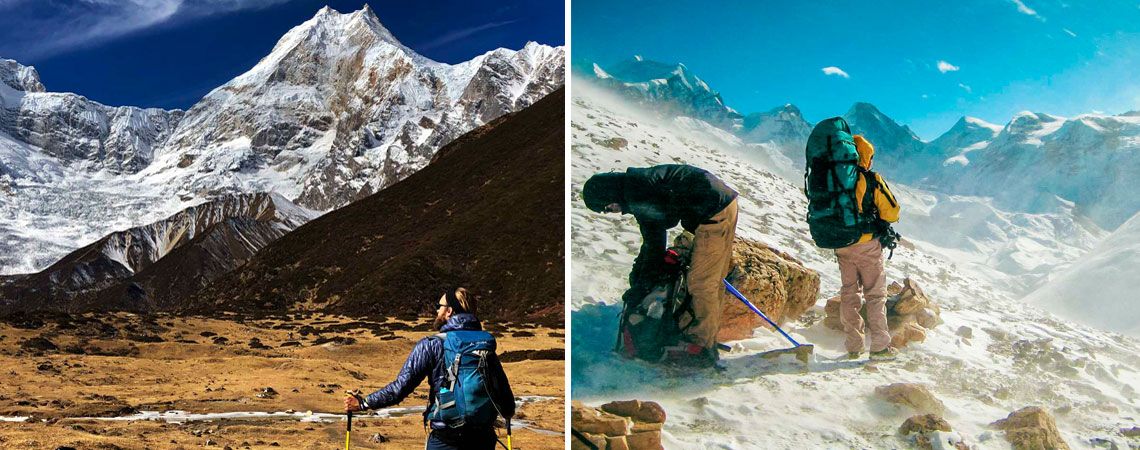
Head
- Warm woolen or fleece hat
- sun hat or cap for sun protection while trekking
- Sunscream, lotion and lip balm
- Scarf/Neck Buff (highly recommended to get saved from wind and cold)
- Headlamp or mobile torch light for nighttime
- Polarized sunglasses
Lower Body
- Hiking pants and shorts
- Lightweight walking pants
- Comfortable pants for teahouses
- Light thermal leggings or fleece thermals inner
- Waterproof/windproof shell pants
- Technical fabric/quick drying (can be washed during the trek)
- Sports bras (women)
- Sleeping clothes as per the comfortability
FootWear
- Comfortable Hiking Boots: A quality pair of boots with recommended ankle coverage. Trail running shoes will work for short hiking too, which are lighter but not ideal if it rains or snows up in the Himalayas.
- Sandals or Shoes: In the mornings and in the evenings, around the camp or in the teahouse, you don’t want to wear your boots.
- Hiking Socks: Good quality hiking socks should keep your feet dry and comfortable. Bring about 3x thick warm wool hiking socks. Preferably a fresh pair for every day that you are trekking.
- Trekking Poles: If you know how to use them, they can help you take the strain from your joints.
- Inner Socks: To support your hiking socks, you can consider bringing thin inner socks. This will help you wick moisture away from your feet 3x thin cotton inner soaks is recommended.
Upper Body
You need warm, breathable clothing for your upper body while trekking. Remember to get lightweight stuff. The required attire is listed in the section below. You can arrange the number of items based on your needs.
- Full-sleeve and half-sleeve shirts
- lightweight thermal tops or merino/fleece long-sleeve tops - High-altitude trekking may experience very low temperatures.
- A windproof jacket is essential.
- A pullover.
- Puffy down jacket (We provide rental jackets for an additional 150 rupee per day)
- Waterproof jacket
- Sports bra
- Poncho rain cover (late spring and beginning of autumn season)
Hands
- Warm Woolen gloves for the tea house
- Hard-shell windproof outer gloves for the walk
Sleeping Bags
- Four-season (-20 degree) sleeping bag (We provide rental sleeping bags available for an additional 250 rupee per day.
- Sleeping bag liner and a pillowcase in case of allergies to new pillows
First Aid Kits and Medications
- Cough Syrup and strepsils (recommended for Khumbu Cough)
- Ointment cream and sanitizer
- Medicines such as headache capsules for upset stomach or diarrhea, painkillers, vomiting, or any allergies or diseases.
- Small first-aid kit - Band-Aids
- Diamox™ (125 or 250 mg tablets) for altitude sickness. Please discuss with us before starting to take this medicine
- See your Doctor for a compete medical kit
Trekking Plus exprt guides carry medications, oxygen cans, and first aid kits during the trip. However, personal kits and medications are recommended.)
Accessories
- Power bank or extra batteries
- Headlamp & spare batteries
- Hand touch & spare batteries ( Optional )
- Dry packs
- Watch with light & alarm
- Waterproof/dry bags for carrying essential documents, stuff, frequently used items, and a money belt
Toiletries & Personal Hygiene
- Quick-dry towel & face cloth
- Toilet paper (you can buy more on trek)
- Small soap, shampoo & conditioner
- Toothbrush & paste (biodegradable)
- Multipurpose wipes (face & body)
- Deodorant
- Face & Body moisturizer
- Nail clippers/file
- Small comb/brush
- Small mirror
- Clothes washing soap (biodegradable)
- Antibacterial wipes (4x packs)
- Face & Body moisturizer
- Sunblock face/body high UV protection
- Lip block with UV protection
- Feminine hygiene products
Carry Right Rucksack
- Duffel Bag: Waterproof and about 80L. Carried by your porter
- Rucksack with Rain Cover: The size of your bag will depend upon trekking duration. Less is more, but don’t compromise.
- Daypack: A 33-liter daypack with a waist strap in which you can carry your personal items. Get something comfortable, because your daypack is your best friend.
Extra Items
- Camera & extra batteries
- Binoculars
- Reading books
- Journal & pen
- Trekking Poles and small knife
- High-protein snacks (such as mountain bars or nuts) -optional
- Cash -Bring enough rupees to cover your trek. Once you begin trekking, there are no more ATMs in the Himalayas.
- Water Bottles: 1L bottle should be enough. You can refill and put in purification tablets or a UV water purifier. You can also buy bottles of water in tea houses along the way.
Buying & Renting Gear when you are in Kathmandu
If you forget something, you don’t have to worry. You can buy anything on this list in the Trekking Store around Thamel, Kahtmandu. Just make sure to save some time before your trek to go shopping. Kathmandu has both brand-name and local trekking gear shops that cater to the thousands of travelers coming to Nepal each year who lack all the necessary equipment. For rental gear or buying, please check at least 2 shops to know the price and quality. Always ask for good rates.
Environmentally friendly
A water bottle to refill with the boiled water from the lodges or iodine tablets to purify the water, and a rubbish bag to bring to the lodge or to the right place if you want to prevent altitude sickness, you will have to drink plenty of water. Don’t rely on bottled water along the trail. They are less environmentally friendly and costly.
Team Leader | Durga KC